


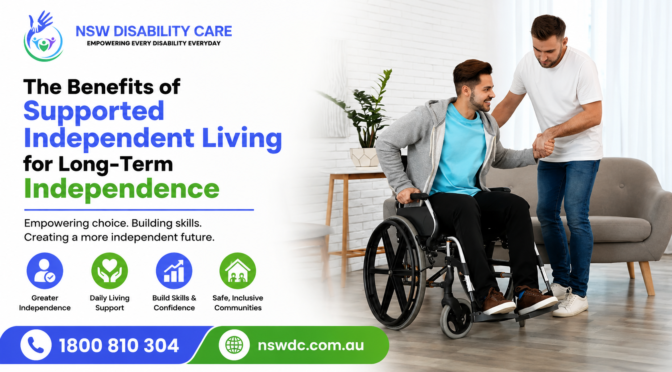
Supported independent living represents a transformative approach for people with disabilities seeking greater autonomy. This model combines personalised support services with community participation opportunities. Many individuals find that this approach significantly enhances their quality of life. Supported independent living in Melbourne demonstrates how this framework successfully enables residents to thrive independently.
What is Supported Independent Living?
Supported independent living, often called SIL, involves tailored assistance with daily living activities. People receive support while maintaining control over their own lives and choices. A dedicated team helps with household tasks, budgeting, and community engagement. This approach differs from traditional care models because it prioritises individual decision-making and autonomy.
Key Benefits of SIL
- Enhanced Personal Independence
People develop essential life management skills through hands-on guidance and encouragement. They learn budgeting, cooking, and household management at their own pace. This builds genuine confidence in managing daily responsibilities independently.
- Greater Community Involvement
SIL enables meaningful participation in social activities and community events. Individuals access employment opportunities, education programs, and recreational activities. This reduces social isolation and creates stronger community connections.
- Improved Mental Health
Greater autonomy directly improves emotional wellbeing and self-esteem. People experience reduced anxiety when controlling their own environments. Meaningful community participation strengthens mental resilience and happiness.
- Cost-Effective Care Solutions
A good SIL provider in Melbourne offers excellent value for money compared to residential facilities. Funding covers essential support while maximising independence and quality outcomes. This approach represents practical resource management for disability support systems.

How Does NDIS SIL Support Long-Term Independence?
The framework encourages skill development through consistent, personalised support strategies. Participants gradually become more confident in managing complex daily tasks. As abilities improve, support levels can be adjusted accordingly. This creates sustainable pathways toward genuine, lasting independence for individuals.
An SIL accommodation in Melbourne provides comfortable environments where people can develop independence. Quality housing combined with professional support creates ideal conditions for personal growth. Individuals thrive when their living spaces reflect their preferences and needs.
Why Choose SIL Support?
People experience greater control over their futures through SIL arrangements. The model respects individual choices, preferences, and cultural backgrounds. Professional support teams work collaboratively with participants toward achieving personal goals. This person-centred approach consistently delivers better long-term outcomes for residents.
Participants choosing NDIS SIL in Melbourne report increased satisfaction with their living arrangements. The National Disability Insurance Scheme funding enables equitable access to quality support. This ensures people with disabilities receive appropriate resources for genuine independence.
Conclusion
Supported independent living offers a practical, effective pathway toward sustainable independence. The combination of professional support and personal autonomy creates transformative outcomes. If you’re exploring disability support options for yourself or a loved one, reach out today.
Contact NSW DISABILITY CARE PTY Ltd for personalised guidance and support:
- Phone: 1800 810 304
- Email: info@nswdc.com.au
- Website: https://www.nswdc.com.au/
Our experienced team is ready to help you understand how SIL can transform lives.
Frequently Asked Questions
1. What exactly is supported independent living (SIL)?
SIL is a tailored support model that helps people with disabilities live independently. A dedicated team assists with daily activities while individuals maintain control over decisions.
2. Who is eligible for supported independent living?
People with disabilities registered with the NDIS are generally eligible for SIL. Eligibility depends on individual circumstances and support needs assessed through the scheme.
3. How does SIL funding work through the NDIS?
The NDIS provides individualised funding based on assessed needs and goals. Participants work with their planner to determine appropriate SIL support levels.
4. Can I choose my SIL provider and support workers?
Yes, participants have the right to choose their preferred provider and support team. This ensures a good fit between individuals and their support workers.
5. What activities are included in SIL support?
Support covers daily living skills like cooking, cleaning, budgeting, and personal care. It also includes assistance with community participation and social engagement.
6. How does SIL help develop independence?
Providers focus on skill-building and gradually reducing support as abilities improve. This encourages genuine independence rather than ongoing dependence on support.
7. Is SIL suitable for people with complex needs?
Yes, SIL is flexible and adaptable to various disability types and complexity levels. Support can be customised to address individual requirements effectively.
8. What makes SIL different from residential aged care?
SIL prioritises independence and personal control, unlike traditional aged care models. It’s designed specifically for younger people with disabilities seeking autonomy.
9. How can I access SIL services?
Contact your NDIS planner to discuss SIL options during your planning meeting. They’ll help determine if SIL suits your goals and circumstances.
10. What should I expect during the transition to SIL?
Providers support smooth transitions with comprehensive orientation and gradual handovers. Your support team helps establish routines and build confidence in new arrangements.

