


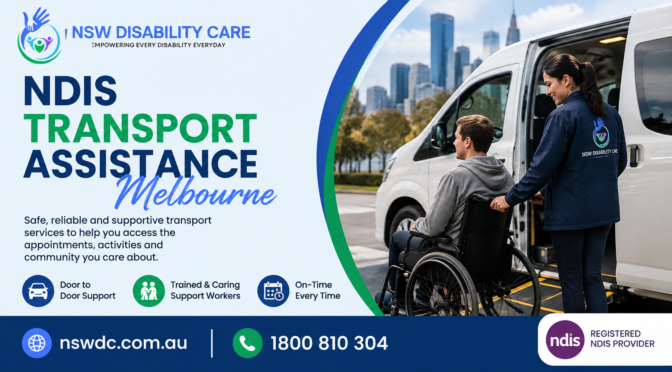
For many participants, catching a bus, train or tram isn’t simply about getting from A to B. It can involve reading timetables, finding platforms, handling unexpected changes and staying safe in unfamiliar places.
That’s where NDIS transport assistance in Melbourne can make a real difference. Instead of doing everything for a participant, the right support can help build practical travel skills that encourage greater independence.
Why Public Transport Can Feel Overwhelming
Imagine standing at a busy station and suddenly realising your train has been cancelled. What do you do next?
For someone still developing their travel skills, situations like this can quickly become stressful.
Common challenges include:
- Understanding routes and timetables
- Identifying the correct stop or platform
- Paying fares or using a travel card
- Navigating busy transport hubs
- Asking for help when needed
- Managing unexpected delays or changes
- Staying aware of personal safety
Quality disability transport in Melbourne isn’t simply about providing a ride. It can help participants develop the confidence and practical skills needed to navigate transport more independently.
How Travel Support Builds Real-World Skills
The best approach is capacity building through practical experience.
Rather than taking over, a support worker can guide the participant through each stage of a journey, gradually reducing assistance as confidence grows.
This may include:
- Planning a route together
- Identifying departure and arrival points
- Practising how to read signs
- Learning how to check transport updates
- Practising safe boarding and exiting
- Building confidence during transfers
- Learning what to do if plans change
With consistent NDIS travel support in Melbourne, participants can practise these skills repeatedly in real-world situations rather than simply discussing them at home.
What Does Good Public Transit Training Look Like?
Effective travel training should never feel rushed or one-size-fits-all.
A person-centred approach considers the participant’s current abilities, goals, preferred learning style and comfort level.
For example, support might begin with:
- Stage 1: Travelling together with close guidance.
- Stage 2: Encouraging the participant to make more decisions.
- Stage 3: Providing prompts only when required.
- Stage 4: Supporting the participant to complete familiar journeys with greater independence.
This gradual approach can make NDIS transport assistance in Melbourne more meaningful because the ultimate goal isn’t dependence on support; it’s building capability.
Helping Families Support Independence
Families naturally want to keep their loved ones safe. But doing everything for someone can sometimes make it harder for them to develop confidence.
Instead, families can encourage skill-building by:
- Allowing participants to make appropriate travel decisions
- Practising familiar routes together
- Encouraging questions and problem-solving
- Celebrating small improvements
- Avoiding unnecessary intervention
Professional disability transport in Melbourne can complement this process by providing structured support while giving participants opportunities to learn by doing.
Turn Travel Into Confidence
Learning public transport isn’t just about mastering a route. It can open doors to employment, education, appointments, social activities and greater community participation.
With the right NDIS travel support in Melbourne, each journey can become an opportunity to practise, problem-solve and grow.
Ready To Build Greater Travel Independence?
NSW Disability Care Pty Ltd supports participants with practical, person-centred assistance focused on building confidence, not simply getting somewhere.
Ready to make everyday travel feel more achievable? Connect with us today and start turning public transport challenges into practical independence.
Frequently Asked Questions
- Can travel training include learning what to do when a bus is diverted?
Yes. Participants can practise checking service updates, identifying alternative routes and deciding what steps to take when a planned journey changes unexpectedly.
- Can support help a participant learn to travel during peak hours?
Yes. NDIS transport assistance in Melbourne can help participants gradually practise navigating busier stations, crowded platforms and peak-period journeys while developing appropriate safety and decision-making skills.
- What if a participant becomes anxious after missing their stop?
Travel practice can include simple strategies for these situations, such as staying calm, checking the next stop, seeking appropriate assistance and planning how to continue the journey.
- Can participants practise travelling between multiple transport networks?
Yes. Disability transport in Melbourne can support practical learning around transfers between buses, trains and trams, helping participants become more comfortable with changing services.
- Can public transit training cover asking strangers for directions?
Absolutely. Participants can practise identifying appropriate people to approach, explaining what help they need and communicating clearly without relying entirely on their support worker.
- How can participants prepare for unfamiliar destinations?
NDIS travel support in Melbourne can help participants practise planning unfamiliar journeys, identifying landmarks, checking stops and understanding what to do if they become unsure along the way.
- Is it possible to reduce support as travel skills improve?
Yes. Support can be gradually adjusted as the participant demonstrates greater confidence, decision-making ability and familiarity with particular routes.
- What happens if a participant needs help during a journey?
A good travel-training approach prepares participants for unexpected situations before they occur. They can practise who to contact, where to seek assistance and how to communicate their needs safely.

